Equipment failure isn’t always the biggest danger in industrial environments. Often, the real risk emerges when machinery is shut down. During maintenance and servicing, uncontrolled release of hazardous energy—mechanical, electrical, hydraulic, pneumatic, or chemical—can lead to catastrophic injuries or fatalities. That’s why a lockout tagout safety video is not just a compliance checkbox; it's a frontline defense.
More than 120 workplace fatalities annually in the U.S. are linked to failure in controlling hazardous energy. OSHA estimates that proper lockout tagout (LOTO) procedures prevent up to 120 deaths and 50,000 injuries every year. Yet, compliance remains inconsistent. One of the most effective tools to bridge this gap? A high-impact, engaging lockout tagout safety video.
Why a Lockout Tagout Safety Video Works Better Than Manuals Alone
Traditional training methods—paper manuals, slide decks, or verbal instructions—often fail to stick. Workers may misinterpret procedures or skip steps under time pressure. But video training transforms abstract rules into visual, real-world scenarios. It shows, not just tells.
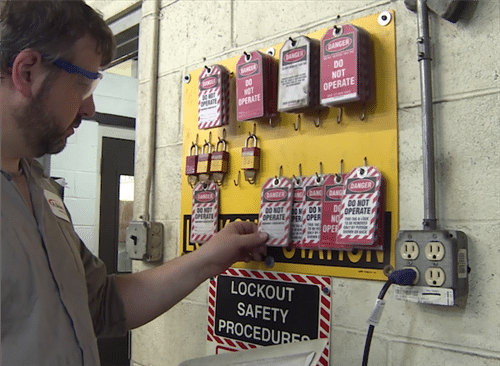
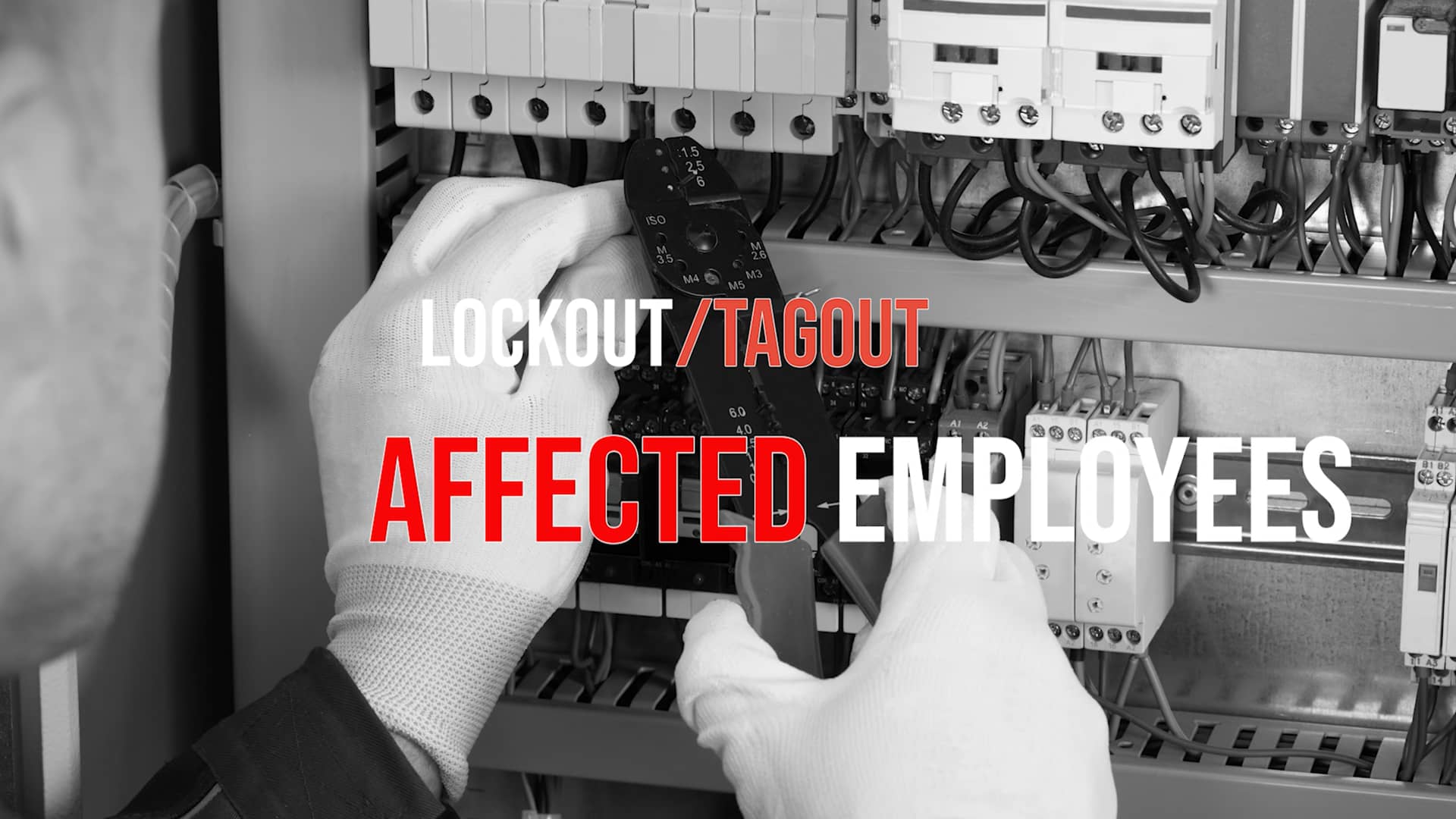
A well-produced LOTO safety video demonstrates: - Step-by-step shutdown and isolation of energy sources - Proper application of locks and tags - Roles of authorized vs. affected employees - Common mistakes (like using someone else’s lock)
For example, a manufacturing plant in Ohio reduced LOTO-related near-misses by 65% within six months of introducing mandatory video training. Workers reported better retention because they saw the consequences of skipping a step—like a conveyor unexpectedly restarting during servicing.
Video also standardizes training across shifts, locations, and languages. Subtitles, voiceovers, and on-screen text help overcome literacy or language barriers, ensuring everyone gets the same message.
What Makes a High-Impact Lockout Tagout Safety Video?
Not all safety videos are created equal. Many suffer from outdated footage, monotone narration, or exaggerated dramatization that undermines credibility. A powerful LOTO video balances clarity, realism, and urgency.
Key elements of an effective video: - Real equipment footage: Showcasing actual machines workers use, not generic animations - Clear narration and on-screen text: Reinforcing critical steps without relying solely on audio - Scene-by-scene breakdown: From preparing for shutdown to verifying isolation - Danger demonstrations: Simulated incidents showing what happens when protocols fail - Employee testimonials: Frontline workers explaining why LOTO matters in their daily routines
A metal fabrication company in Michigan used a custom LOTO video featuring their own maintenance team. The familiarity boosted engagement—94% of employees completed the training, compared to 68% with previous generic videos.
Common Mistakes Captured in LOTO Safety Videos
Even experienced workers make errors. The best safety videos don’t just teach the right way—they expose the wrong ones.
Frequent mistakes shown in effective LOTO videos include: - Using tags without locks: A tag is a warning; a lock is a physical barrier. Relying only on tags fails OSHA standards. - Group LOTO confusion: Not clearly defining primary lock holders or using group lockout boxes incorrectly - Skipping verification: Failing to test circuits or pressure lines after isolation - Improper lock removal: Removing locks without confirming the machine is safe to re-energize
One video widely used in chemical plants includes a dramatization of a worker bypassing lockout to “save five minutes.” The scene cuts to an explosion caused by residual pressure—driving home the cost of complacency without being sensationalist.
When to Use a Lockout Tagout Safety Video
A LOTO safety video isn’t just for onboarding. It should be integrated into multiple touchpoints: - Initial training: For new hires in manufacturing, utilities, or facility maintenance - Refresher courses: Required by OSHA at least annually - Procedure updates: When new equipment is introduced or processes change - Incident follow-up: After a near-miss or safety audit failure
In a food processing facility, managers began showing a 12-minute LOTO video before each quarterly maintenance cycle. They reported fewer deviations during audits and workers asking more detailed questions about isolation points.
The video also serves as documentation. When OSHA conducts inspections, proof of training—including dated video sessions—can protect your organization from citations.
Top 5 Lockout Tagout Safety Video Providers For companies without in-house production, third-party videos offer scalable, professional-grade training. Here are five trusted sources:
| Provider | Key Features | Length | Languages | Customization Options |
|---|---|---|---|---|
| Pure Safety (by Brady) | OSHA-aligned, real-world scenarios, quizzes | 15–20 min | English, Spanish | Full customization |
| 360 Training | Online LMS integration, mobile access | 10–18 min | English, Spanish | Limited branding |
| Lion Technology | Focus on chemical and industrial sectors | 20 min | English | None |
| Creative Safety Supply | Short, modular videos per LOTO phase | 5–8 min each | English | Add company logo |
| SafetyInfo | Free downloadable videos with basic instruction | 10–15 min | English | None |
While free options exist, they often lack depth or real-world context. Paid providers typically offer better engagement, better compliance alignment, and tracking features—critical for audit readiness.
Integrating Video into Your LOTO Program
A video alone isn’t enough. It must be part of a broader energy control program.
- Best workflow integration:
- Watch the video as a group or individually via LMS
- Conduct a live demonstration using actual equipment
- Perform a hands-on drill where employees apply locks and tags
- Document completion with signed checklists or LMS records
- Review annually or after incidents

A paper mill in Georgia pairs their LOTO video with a site-specific checklist. After viewing, workers must identify isolation points on a flow diagram—a practical test reinforcing retention.
Also, designate “LOTO champions” on each shift—employees trained to model correct procedures and answer peer questions. Videos help train these champions consistently.
Real-World Use Cases: Where LOTO Videos Prevent Disasters
In a wastewater treatment plant, a technician was clearing a clogged pump. Without proper lockout, the backup system auto-restarted. The worker suffered a severe arm injury. Post-incident, the facility mandated a new LOTO video featuring the actual pump model and control panel. Since then, zero unauthorized energizations have occurred.
Another example: An automotive parts supplier faced repeated audit failures on LOTO documentation. They switched to a video-based training platform with automated tracking. Six months later, they passed a surprise OSHA inspection with no citations.
These cases show video isn’t just about knowledge transfer—it’s about behavior change. Seeing real consequences and correct procedures in context reshapes habits.
The Bottom Line: Video Is Non-Negotiable for Modern LOTO Compliance
A lockout tagout safety video isn’t an optional training aid—it’s a critical component of a compliant, effective energy control program. It turns abstract regulations into actionable knowledge, reduces human error, and creates a culture of accountability.
Organizations that treat LOTO videos as a formality miss the point. Those that invest in high-quality, relevant, and regularly updated video training see fewer incidents, smoother audits, and more confident, capable teams.
Create or select a video that reflects your operations, drill the procedures it teaches, and reinforce it consistently. Because when a machine powers down, safety should never be left on standby.
FAQ
What is the purpose of a lockout tagout safety video? To train employees on properly de-energizing equipment, applying locks and tags, and avoiding hazardous energy releases during maintenance.
Are lockout tagout videos OSHA compliant? Yes, if they cover all OSHA-required elements in 29 CFR 1910.147, including procedures, roles, and verification.
Can a video replace hands-on LOTO training? No. Video must be followed by practical demonstrations and live drills to ensure competency.
How often should LOTO safety videos be viewed? At least annually for refresher training, plus during onboarding and after procedural changes.
Do LOTO videos need to be site-specific? Ideal videos reflect your actual equipment and processes, but general videos can work if supplemented with site-specific instruction.
Can we make our own lockout tagout safety video? Yes, and doing so increases relevance. Use real staff, real machines, and real procedures for maximum impact.
Are subtitles important in LOTO safety videos? Yes—subtitles improve accessibility, support non-native speakers, and reinforce learning in noisy environments.
FAQ
What should you look for in Lockout Tagout Safety Video: Essential Training for Workplace Safety? Focus on relevance, practical value, and how well the solution matches real user intent.
Is Lockout Tagout Safety Video: Essential Training for Workplace Safety suitable for beginners? That depends on the workflow, but a clear step-by-step approach usually makes it easier to start.
How do you compare options around Lockout Tagout Safety Video: Essential Training for Workplace Safety? Compare features, trust signals, limitations, pricing, and ease of implementation.
What mistakes should you avoid? Avoid generic choices, weak validation, and decisions based only on marketing claims.
What is the next best step? Shortlist the most relevant options, validate them quickly, and refine from real-world results.